
総合開館30周年記念スペシャル
総合開館30周年記念 トークセッション 写真・映像とこれからの30年
「写真を満喫するメソッド ~技術と歴史~」
日 時:
2025年10月25日(土)16:00-17:30
登壇者:
高橋則英(日本写真芸術学会会長)
鳥海早喜(日本大学芸術学部准教授)
三井圭司(東京都写真美術館学芸員、モデレーター)
導入と初期写真展の軌跡
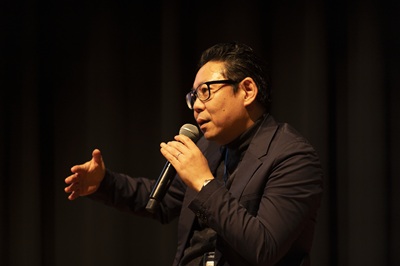
三井圭司(以下三井): 総合開館30周年を記念したトークセッション「写真を満喫するメソッドと技術と歴史」を開始いたします。本日は、日本写真芸術学会の高橋則英先生、そして現在パリからオンラインで参加されている日本大学芸術学部写真学科の鳥海早喜先生をお迎えしています。
私から写真美術館における初期写真の展示の軌跡を概説します。今回の30周年は1995年の総合開館の記念となりますが、実はその5年前の1990年には既に第一次開館として一般公開されていました。第一次開館の時期、展覧会は企画展が主流であり、例えば「幕末・明治の東京」展(1991年1月)は、横山松三郎を中心とした19世紀に特化した専門性の高い内容でした。当時の美術館は、間口が広くなく、興味のある方にディープな情報を提供するというスタンスであったことがわかります。
その後、展示は時系列やトピックで区切るコレクション展を併用する形へと変遷しました。2003年の「写真と絵画の展覧会 士(さむらい)−日本のダンディズム−」展を皮切りに初期写真の展示機会が増え、特に2007年からの10年計画シリーズ「夜明け前 知られざる日本写真開拓史」(以下開拓史)を実施する中で、高橋先生と協力関係を構築し、多くの古い写真の展覧会を構築できました。それでは、高橋先生にバトンをお渡しいたします。
技術と歴史:銀塩写真の頂点と転換期
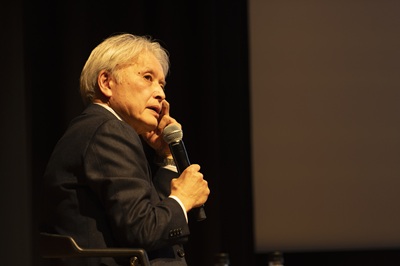
高橋則英(以下高橋): 日本写真芸術学会の高橋です。まずは東京都写真美術館の総合開館30周年を心よりお祝い申し上げます。
私は本日のテーマである「技術と歴史」に関し、写真史の中で技術を考えるという切り口でお話しさせていただきます
私は、三井さんが展覧会を担当するようになってから写真美術館の歴史展により深く関わるようになりました。特に2007年からの「開拓史」シリーズは、各地の機関に所蔵される初期写真の調査研究に基づいて歴史展を構成するという、それまでにないユニークなもので、多くの知られざる初期写真に光をあてた優れた企画でした。
私は初期写真史に関わる上で、当時の技術の実態を理解することの重要性を意識するようになりました。特に日本における最初の実用的な技術である湿板写真(コロジオン湿板)や鶏卵紙を理解することは、日本の初期写真を理解する上で不可欠であると考え、技術の調査や再現実験に取り組んできました。
東京都写真美術館の展覧会でも、展示される歴史的な写真作品だけでなく、そのプロセスや技術というものを理解することが重要視され、「士(さむらい)−日本のダンディズム−」展では湿板写真のデモンストレーションとワークショップが設定されていました。
写真は、科学と技術に支えられた記録と表現のメディアであり、その技術、あるいはプロセスを理解して初めて、写真作品を本当に理解できるというのが、長年の経験から培った私の信念でもあります。
写真美術館が開館した1990年代以降は、発明以来の伝統的な写真の基盤技術が大きく変わる時期でもありました。この30年余りを振り返ってみると、歴史的な銀塩写真の発展と全盛期、そして一転して大いなる衰退を経験した年月でした。
第一次開館の前年、1989年は実用的な写真技術の公表から150年にあたる年で、世界各地で記念の展覧会などが行われました。それは伝統的な写真が、文化としても、技術としても、その発展が頂点に達し、産業としても最も成熟していた時期でした。
しかし、その後デジタル技術が発達し、21世紀に入ると基盤技術が急速に転換します。銀塩フィルムの需要のピークは2000年でしたが、2010年には最盛期の1/10になり、2012年にはコダック社の倒産という大きな出来事がありました。そして写真技術の主流は銀塩からデジタル写真システムへと急速に変化しました。
近年ではスマートフォンによる撮影が主流となり、写真は新たなコミュニケーションツールとしての機能を獲得しましたが、もはや画像が支持体に焼きつけられることも稀になり、写真が長く保持していた物質性が希薄になりました。 このような状況の中で、これまで記録や芸術として重要な役割を果たしてきた写真を理解するために、伝統的な写真を作り出してきたのは、どのような技術であったのか、それを考えて見たいと思います。 写真の歴史、すなわち伝統的な写真の技術的な流れは、端的に「感光材料の歴史」と捉えることができます。
写真技術は、以下の世代に便宜的に区分できます。
1. 第1世代: ダゲレオタイプ(1839年公表)とカロタイプ。とくにダゲレオタイプは、写真家が被写体とともに空間と時間を共有し、その像を捉えた感光板が物として伝わっているという、写真の有り様をよく示しています。
2. 第2世代: 19世紀半ば以降の湿板写真と鶏卵紙。これらは日本の最初の実用的な写真技術となりました。第1世代と第2世代は手作りの技術です。
3. 第3世代~第4世代: 工業生産された材料が供給される時代です。19世紀の終わりから使われた、高感度のゼラチン乳剤による近代的な乾板。操作が簡便になり、撮影の場所での暗室作業が不要になったこの技術変化は、銀塩からデジタルへの転換と同様のインパクトを持っていました。これにより、アマチュア写真家が増加、本格的な芸術的写真表現というものが実践されるようになっていきました。
4. 第5世代(デジタル): テクニックや材料の使用方法までがソフトウェアとして共有され、使い方が写真家の手からさらに離れていく傾向があります。
新たに登場したデジタルシステムは、写真の記録や表現に大きな可能性をもたらしましたが、その一方で、写真家の真の創造性がどこにあるかを明確にするのが難しい時代になったとも言えます。テクノロジーは常に「より容易に、より早く、より良い結果」が得られる方向へ進化しており、これによって人間の感性や技術(技)が退化していくのではないかという懸念さえも出てきます。
さて、ここで少し初期写真に立ち戻り、幕末明治の写真技術、特に湿板写真について再度お話しします。湿板写真のように、撮影の場所に暗室や薬剤が必要で、露光時間も数秒から数十秒が必要な困難な技術を使いこなして、写真家は優れた記録を残してきました。そして、それらの写真の記録性や情報量は、現代のデジタル技術も及ばないほど優れています。
また、近代的な感光材料が登場した20世紀の写真作品にも、写真家の技術に対する畏敬の念は感じられます。例えば、大正期から昭和戦前期の芸術写真の時代に、梅阪鶯里(うめさかおうり)のゴム印画の技法で制作した作品があります。ゴム印画は、ネガを密着して焼き付けた後、水洗乾燥で収縮する紙に、4回も5回も重ね焼きをする非常に手間のかかる技法です。梅阪の《南瓜》(1930年)は、シャープで存在感のある新興写真的な表現をこの難解な技法で実現しており、その技術がどれほど難しいかを理解することが重要です。それが、この作品の価値をよりよく理解することにつながるのです。
写真とは端的に言って、目に見える世界を視覚的な情報として記録する技術です。そして歴史的な写真は支持体の上に作られた「モノ」としての存在でした。これからも写真は、あらたな可能性を加えながら過去と同様の機能をもって記録や表現のメディアとして重要な役割を果たしていくでしょう。そのような写真の礎となるべき初期写真の価値を理解し継承していくためにも、美術館としては歴史的な写真に重点を置いた展覧会をさらに開催していただきたいと願っています。
歴史の見直し:線の引き直しとやわらかい写真史
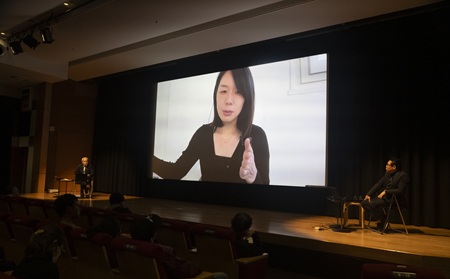
鳥海早喜(以下鳥海): 私は今、日本大学長期海外派遣研究員としてパリからオンラインで参加させていただいております。私からは、歴史展覧会の楽しみ方のおすすめと、写真史のお話をさせていただきます。
私が写真美術館と関わって学んだこととして、展示されている写真は、写真家だけでなく、写真を大事に思って残そうとしたご家族や研究者、そして届けようとする美術館の努力があって初めて公開されているということです。
歴史展覧会を見るのが苦手な方には、鑑賞方法として「なんでだろう?」とハテナをもってみたり、「この歴史は本当かな?」と疑ってみたりすることをおすすめします。
展覧会で示される歴史の見せ方は、学芸員や監修者が定めたものであり、必ずしも「正解ではない/絶対ではない」と思っています。疑問をもつことで、想像の扉が開き、遠い昔の写真ではなく、同じ人間として感じることができる面白い世界が広がるのではないでしょうか。
例えば、2022年「写真発祥地の原風景 幕末明治のはこだて」の名刺判写真の展示ですが、ここでは写真を透明なアクリル板に立てかけて展示されていました。透明ということは、表の写真のイメージだけじゃなく、裏側もきっと見せたいのだなっと気づくと、観察が深まります。裏側に書かれた写真館の情報や、撮影された人物の情報に注目することで、その写真のストーリーが膨らみます。
写真の歴史は約200年と決して長くなく、これまで語られてきた写真史は「分かりやすく知ってもらうため」の、直線的で体系化された構造を持つ傾向があります。この構造は理解を助けますが、一方で偏りも生じます。現在の写真史は芸術としての写真を軸にされていることが多く、商業的な写真(広告写真や営業写真館)や、日常的に撮影される写真(家族アルバム)の情報はこぼれてしまい、写真史に組み込まれづらいのが現状です。
一例として、ヒル&アダムソン(1840年代、スコットランド)という写真家コンビを挙げます。彼らは、写真史を分かりやすくするために情報が削られて、長らく日本で伝えられてきた写真家のうちの一組だと感じています。彼らは、風景画家のヒルがたくさんの人物が集合した絵画を制作することになり、その素材として写真を用い始めたコンビなのですが、長らく「肖像写真(ポートレート)の大家」としてのみ位置づけられてきました。これは「人物の集合絵画を描こうとした→人物の写真をたくさん撮った→素晴らしい肖像写真ができた」という直線的な説明が、分かりやすかったからだと考えています。
しかし、彼らは素晴らしい風景写真も撮っており、ポートレートもドキュメンタリーの起点になり得る存在でもあります。知れば知るほど、彼らの活動はポートレートだけではなく、私は今、彼らの歴史の立ち位置を変えられるように「線の引き直し」ができないか試みています。
これからは、このような写真史の「線の引き直し」がどんどん増えていくと思います。歴史の見え方は分かりづらくなるかもしれませんが、写真に関わってきた人たちの「温度」が見える、いろんな要素が絡み合う写真史が増えていくことになるでしょう。
大学で学生に触れるなかで感じていることですが、現在、若い写真家たちは、技術的な理解や知識を落とし込みきれていなくても素敵な写真が撮れてしまい、写真という結果を目の前に、写真家自身が、その写真に追いつけず苦しんでいるように感じます。彼らがもつ不安や孤独を支えるためにも写真史は大きな糧になります。
写真家が、自分だけの写真史をつくりやすくするための、「やわらかい写真史のベース」を構築できると良いと考えています。
パネルディスカッションと総括
三井: ありがとうございます。自分で歴史を解釈していくこと、そして歴史が未来のためにあるということは、とても重要なことだと思います。過去の成功や失敗を参照するための事例が歴史です。
その上で、高橋先生がおっしゃった「写真とは物質であった」ということ。僕自身も長年そう言ってきましたが、今、写真が脱獄し、ものじゃなくなっています。イメージがデータとしてふわっと動いているからこそ、鳥海さんが言われたように、「疑っていくこと」の重要性が増していると考えます。
高橋: 歴史は見る人間によって捉え方が違うので、これまでの定説となっていた写真史を、また違った観点から紡ぎ直す、あるいは線を引き直すことは非常に重要であると思います。
三井: これまでの研究は、線を太くして面にしていくことでしたが、鳥海さんの感覚は、その工程で繋がらなくなる違和感や、無理な線の引かれ方を感じたから、根本的な引き直しが必要だということですね。
鳥海: 期間を限定すれば繋げることは可能ですが、それを現在まで繋げようとすると、途中で無理な線の引かれ方をしている歴史に触れることが多く、根本的な「引き直し」をしたいという考えに至っています。
高橋: 広告写真の歴史や、営業写真館の歴史といった分野は、鳥海さんにとって「線を引き直す」上でのキーワードであるわけですか?
鳥海: その通りです。広告写真については、大きな写真史では情報不足でデザインの歴史を引っ張ってこなくてはならないなど、しっかり語られていないと感じています。また、営業写真館についても、初期写真家である下岡蓮杖や上野彦馬の時代から経営されているのに、ある段階から大きな写真史の中からすっぽり抜けてしまうことが多いので、語っていきたいと感じます。
三井: ともすると、写真館の「館」を空き缶の「缶」だと勘違いして、話が伝わらないことさえあります。何かに巻き取られて違う解釈をされて、誤った共有理解が進んでしまう懸念があります。例えば、「ポートレート」という言葉です。ヒル&アダムソンのポートレートはパンフォーカスですが、今のスマートフォンの機能の普及によって顔を認識して後をぼかすにするのが「ポートレートモード」だと刷り込まれます。これにより、「ポートレート」という言葉が持つ広がりが一気に狭まり、短絡的な、安っぽいものになってしまう。写真というものが産業と切り離せないがゆえの、この違和感を覚えます。
高橋: 初期写真家は皆ポートレートスタジオの写真家であり、また20世紀に入ってからは、広告写真や宣伝写真が実用的な分野として重要です。しかし、広告写真の分野などはオリジナルの作品が残りにくい世界であるため、なかなか歴史として残っていきません。写真の専門の美術館であるなら力を入れていただくのがいいのではないかと思います。
三井: 広告写真展自体は行われていますが、それを俯瞰して歴史学的に見ることはしていません。単に名前をつけて細分化するのではなく、「広告写真と言っているものの中身がどうなっているのか」をちゃんと考えて、そこから始める必要がありますね。
高橋: 歴史を残していくのは難しい面もあります。特に広告写真のような実業の分野は、関わっている人たちが意識して残していくのが難しい。写真の技術についてもそうで、そういった技術に関わっている企業の人たちというのは、やはり、どんどん新しいものに向かって行く。古い技術や歴史的なものは概して顧みられることもなく、残りにくいのです。
三井: ただ、デジタルは面白いですよね。「残したくない」まで残るというか、残す気がなくて残るというか。デジタルだからこその側面も確実にあると、フィルム時代を生きた人間も感じています。
高橋: デジタルを残すためには、常に「残そうとする」ことが必要だと思います。そうでないと、管理していた人がいなくなって長い年月が経った場合など、記録メディアは残っていても、そこから情報を引き出せないということが起きるのではないかという気がします。
その点、「モノ」としての写真は、そこに残っていれば、そのままで可視の状態ですから、後々も人間が情報を活かせるという特質があります。これまでの歴史を支えてきた伝統的な技術が非常に重要であると考える理由です。
鳥海: お二人と話していて、「写真は知ってるけど、本当に写真を知っているのか」というクエスチョンが、今回のキーワードとなりました。会場にいらっしゃる皆様にも、ぜひこの「はてな」を共有し、本当に写真を知っているのかという問いをもちながら写真と向き合えるといいなと思っています。
三井: 本日のトークセッションはここまでとさせていただきます。ご来場いただきまして、誠にありがとうございました。
TOP 30th Anniversary Talk Session
How to Fully Enjoy Photography –Techniques and History–
Date:
October 25, 2025, 16:00-17:30
Speakers:
Takahashi Norihide (President of the Japan Society for Arts and History of Photography)
Toriumi Saki (Associate Professor of Nihon University College of Art)
Mitsui Keiji(Curator of Tokyo Photographic Art Museum, Moderator)
Introduction and the journey of early photography exhibitions
Mitsui Keiji (MK): We will begin the talk session “How to Fully Enjoy Photography–Techniques and History–,” celebrating the 30th Anniversary of the Tokyo Photographic Art Museum (TOP). Today, we welcome Professor Takahashi Norihide from the Japan Society for Arts and History of Photography and Professor Toriumi Saki from Nihon University College of Art Photography Course, who is joining us from Paris online.
First, I would like to give an overview of the early history of photographic exhibitions. Although this year marks the 30th anniversary of the opening of TOP in 1995, the pre-opening to the public was in 1990, five years earlier. Back then, thematic exhibitions were dominant, such as “THE RISE OF JAPANESE PHOTOGRAPHY” exhibition (January 1991)—highly specialized, focusing on 19th-century photography centered around Yokoyama Matsusaburo. It demonstrates how museums were very exclusive at the time, only providing in-depth information for those interested.
Later on, exhibitions began to include collection shows based on a certain time period or topic. Starting with “SAMURAI-DANDYSIM in JAPAN” in 2003, opportunities for exhibiting early photography increased. Especially through the 10-year program “Dawn in Japanese Photography” launched in 2007, we were able to build a collaborative relationship with Professor Takahashi and thus construct exhibitions presenting a variety of older photographs. From here, I will pass on the microphone to Professor Takahashi.
Technique and history: the peak of gelatin silver photography and its turning point
Takahashi Norihide (TN): My name is Takahashi from the Japan Society for Arts and History of Photography. Before anything, I extend my warmest congratulations on the 30th Anniversary of the Tokyo Photographic Art Museum.
I would like to speak about the study of techniques within the context of photographic history in relation to today’s topic, “Technique and History.”
I became more involved in historical exhibitions at TOP when Mr. Mitsui began directing the shows. The “Dawn in Japanese Photography” series that kicked off in 2007 was notably outstanding as it uniquely constructed the display referencing survey and research on early photographs collected by institutions across Japan, shedding light on the yet unrecognized early images.
By engaging with such history, I became more conscious of the importance of comprehending the actual techniques used at the time. Understanding the collodion process or albumen prints, the very first practical techniques in Japan, was particularly essential in understanding early Japanese photography. I thus researched the techniques and worked on experiments to replicate them.
The exhibitions at TOP also considered it crucial to learn the processes and techniques, in addition to the exhibited historical photographic works. In “SAMURAI-DANDYSIM in JAPAN,” demonstrations and workshops of the collodion process were administered.
Photography is a medium of documentation and expression supported by science and technology; I believe, with my long years of experience, that one can fully understand photographic works only after internalizing the techniques and processes.
The period from the 1990s—when this photographic museum opened—was a time of significant change for the fundamental techniques underlying traditional photography, unaltered since its invention. Looking back, these last 30 years have seen the development and pinnacle of gelatin silver photography, followed by the sudden period of decline.
A year before the pre-opening, 1989 was the 150th anniversary of the official introduction of practical photographic techniques and anniversary exhibitions were organized all over the world. It was also the time when the development of traditional photography hit its peak, culturally and technically, with the industry being at its most cultivated.
However, as we ride into the 21st century, the foundational techniques took a rapid turn with the development of digital technology. The highest demand for gelatin silver film was in 2000; in 2010, it was reduced to 1/10 of its golden age. Then, 2012 brought the significant news—Kodak's bankruptcy. The mainstream photographic processing quickly shifted from gelatin silver to digital photographic systems.
In recent years, smartphone pictures have become popular, and images now function as a new communication tool. We barely see pictures reproduced on a substrate, and the long-possessed materiality of photography has become diluted. I would like to reflect on what kind of technology was producing traditional photography, to understand the images fulfilling an important role in documentation and art within such an environment.
The history of photography, namely the technical movement of traditional photography, can be simply put as “the history of photosensitive materials.”
Photographic techniques can be roughly categorized into the following generations.
1. First Generation: Daguerreotype (introduced in 1839) and calotype. Daguerreotype meticulously presents the nature of photography in how the photographer shares the space and time with the subject is captured as a figure onto a photosensitive plate and finished as a piece of object
2. Second Generation: Collodion process and albumen prints from the mid-19th century. These became the first practical photographic techniques available in Japan. The first and second generations are techniques operated by hand.
3. Third Generation~Fourth Generation: The time when materials became industrially produced and provided. Modern photographic plates with highly light-sensitive gelatin emulsion were used from the late 19th century. Easier to handle and no longer requiring dark room processing at the site of the shoot, this technical transformation made an impact akin to the shift from gelatin silver to digital photography. The number of amateurs naturally increased, and fine art photographic expression began to be seriously practiced.
4. Fifth Generation (Digital): Techniques and methods for using materials became shared as software. The processing seems to be further drifting away from the photographer’s physical hands.
The newly introduced digital system opened up an immeasurable potential to the documentational and expressive aspects of photography. At the same time, it became perhaps more difficult to define where the photographer’s true creativity resides. Technology is constantly evolving in a direction that allows for easier, faster, and better results. Yet, the concern that these developments could regress the human sense of value or techniques (skills) arises.
Let us go back to the topic of early photography and talk about the photographic processes in the late Edo Period and Meiji Era (mid-19th century~early 20th century), about collodion photography in particular. Photographers have left behind invaluable documentation, skillfully maneuvering the challenging techniques like the collodion process, requiring a dark room and chemical substances on site, and a few seconds to several tens of seconds for exposure. The excellent documentation aspects and the amount of information these images recorded surpass the current digital technology.
Similarly, the sense of admiration towards the techniques seems to still be present in the photographic works from the 20th century, when modern-day photosensitive materials emerged. For example, in the history of fine art photography from the Taisho to early pre-war Showa (1910s~early 1930s) period, Umesaka Kaouri had produced works employing the gum-bichromate process. This method is particularly laborious; after the first exposure with the negative superposed onto the photosensitive paper, it is re-exposed multiple times while the print shrinks over the washing and drying process. In Umesaka’s “Pumpkin” (1930), a sharp, striking, and fresh photographic expression was realized using this intricate technique. Like so, understanding the difficulty of the technique takes you to another level of understanding the value of the work.
Photography, in simple terms, is a technology that records the world we see as visual information. The historical photography existed as an “object,” created on top of a substrate. While incorporating new possibilities and maintaining pre-existing functions, photography will continue to fulfill its important role as a documentational and expressive medium, even from now on. To understand and pass on the sense of value of the early photographs that stand as the foundation of such a form of photography, I hope for museums to keep producing more exhibitions focusing on historical photography.
Looking back on history: redrawing the outline and a flexible history of photography
Toriumi Saki (TS): I am joining you online today as I am now in Paris as a long-term overseas researcher from Nihon University. I would like to share with you my recommendations for enjoying historical exhibitions and speak about the history of photography.
One thing I learned while working with TOP is that the exhibited photographs are publicly available not only thanks to the photographer but also to the artists’ families and researchers who cherished and sought to preserve the pictures, as well as the efforts made by the museums to deliver the images.
For those who tend to avoid historical exhibitions, I recommend looking for the “why” and questioning the history on display.
The presentation of history in exhibitions is determined by the curators and supervisors. Hence, I believe that the presented information is not always true or definitive. Finding questions will allow you to open the door of your imagination to a fascinating world that is relatable, as the same human being, and not a mere picture from the past.
For instance, the “Geneses of Photography in Japan: Hakodate” exhibition in 2022 showcased cartes de visite which were presented leaning against transparent acrylic panels. If you notice that the purpose of the transparency is to allow the viewers not only to see the picture in front but also the back of the card, your observation takes another plunge. By taking a careful look at the information on the photo studio or the people captured behind the card, you can see a story unfolding.
With only about 200 years, the history of photography is relatively short, and what has been told as history tends to be a linear, systematized structure for an easier understanding. This structure does indeed help the comprehension but it also bears some shortcomings. The reality is, the current history of photography pivots around photography as fine art, and information on fields such as industrial photography (commercial photography or photo studios) or daily photographs (family albums) falls out, less likely to be incorporated in the history of photography.
One example is the photographer duo, Hill & Adamson (1840s, Scotland), who I feel are among the photographers long showcased in Japan with reduced information to make the history of photography easier to grasp. Their partnership began when they started producing photographs as a material for the landscape painter, Hill’s painting depicting a crowd of people. Nevertheless, they were only referred to as “the master of portrait photography,” likely because a straightforward explanation of “they wanted to create a painting of a group of people,” “they photographed many portraits,” “they realized a series of outstanding portrait photographs,” was a lot simpler and straightforward to understand.
Yet, they have captured amazing landscapes too, and their portraits can be considered the starting point of documentary photography. The more you know, the more you find out that their practice cannot be just delineated with portraiture. Now, I am attempting to redraw this outline to shift their standpoint in history.
From now on, it is possible that this redrawing in the history of photography will keep increasing. The past might look more complex, but it will generate a history of photography in which the “temperature” of those engaging with the medium can surface, with various aspects intertwined with each other.
Something I notice when interacting with students in university, many young photographers today can easily take decent photographs, despite the lack of fully internalized technical understanding or knowledge. With just photographs as an outcome in front of them, they seem to have a hard time catching up with photography. The history of photography will be a great groundwork that can support their anxiety and loneliness.
I thus think it would be fruitful to build “a base for a flexible history of photography” which can allow photographers to assemble their own history of photography.
Panel discussion and summary
MK: Thank you very much. I also believe one must make the effort to understand history and to be aware that history exists for the future. History is a collection of past successes and failures to be referenced.
That said, going back to what Professor Takahashi mentioned: “Photography used to be an object.” I myself have had the same opinion for a long time, but now, photography seems to have escaped from that concept, becoming something other than an object. Because images are floating as a piece of data, it is increasingly important “to question,” like Professor Toriumi said.
TN: Views of history fluctuate depending on who is looking at it. I think it is extremely important to rewrite or retrace what was considered an established history of photography from a different point of view.
MK: The research conducted up to now aimed to thicken the line to create a facet, but Professor Toriumi feels the necessity to radically redraw the outline if, in that process, one notices a discrepancy or if the line is forcibly drawn.
TS: It is perhaps possible to connect the threads by limiting the topic to a specific time period, but trying to link them to the present will touch on many aspects of history that were delineated coercively, which is why I understand a fundamental retracing is imperative.
TN: Does the history of fields like advertisement photography or photo studios act as a keyword to redraw the line for you?
TS: Exactly. Not studied enough, information on commercial photography is lacking within the wider scope of the history of photography, necessitating a reference to the history of design. Meanwhile, photo studios are completely disregarded from a certain point in that course of history, even though they have existed from the time of the very first photographers like Shimooka Renjou or Ueno Hikoma. This is why I would like to continue talking about them.
MK: If I’m not careful, the kan of shashinkan (photo studio) is sometimes mistaken for the kan from akikan (empty can), leading to miscommunications. If associated with something else, people might register a totally different meaning and there is a risk that such wrong information could be shared with others. Take the word “portrait.” Hill & Adamson’s portraits are taken with a deep focus, yet people today identify the smartphone function that recognizes a face and blurs the background as the “portrait mode.” The breadth of what the word “portrait” can mean is suddenly narrowed down, turning into something short-sighted and cheap. I feel a conflict in this situation, specifically because photography is inseparable from the industry.
TN: The earliest photographers were all photographers of portrait studios, and after reaching the 20th century, commercial or promotional photography became important as a practical field of art. However, because the original works are rarely preserved in the field of commercial photography, they cannot survive to be included in history. It would be great if museums specializing in photography could be more dedicated to those works.
MK: Exhibitions of commercial photography exist, but they don’t present a comprehensive historical perspective. Instead of just giving it a name as a subdivision, there is a need to properly reflect on “what is the actual content of commercial photography” as the starting point.
TN: It is also something that is very difficult to integrate into history. Especially in the practical fields like commercial photography, it’s not just up to those involved in the production to consciously conserve the works. The same can be said for the photographic techniques because the people in the companies working with the technology tend to always pursue what is new and leave behind what is old. The historical is generally overlooked and difficult to survive.
MK: It doesn’t mean digital is not interesting. The images survive even though they are unwanted or even though no one intends to preserve them. Those who have lived through the time of film also feel that there is definitely an aspect only available with digital media.
TN: For the digital to survive, we must constantly make the effort to preserve it. If not, I feel like the documentation medium may survive yet without the means to retrieve the information long after the person in charge is gone.
In that sense, a photograph as an “object” will remain a visible format as long as it exists, and its information can still be of use at a later time—this is the reason I believe the traditional technology that has supported history up to now is very important.
TS: Through this conversation with both of you, I think the keyword for this session is “I know photography, but do I really know it?” It would be great if we could share this question with the audience here today, so that we can look into the photographs with the same query: Do I really know photography?
MK: This is the end of today’s talk show. Thank you very much for your attention.
「写真を満喫するメソッド ~技術と歴史~」
日 時:
2025年10月25日(土)16:00-17:30
登壇者:
高橋則英(日本写真芸術学会会長)
鳥海早喜(日本大学芸術学部准教授)
三井圭司(東京都写真美術館学芸員、モデレーター)
導入と初期写真展の軌跡
三井圭司(以下三井): 総合開館30周年を記念したトークセッション「写真を満喫するメソッドと技術と歴史」を開始いたします。本日は、日本写真芸術学会の高橋則英先生、そして現在パリからオンラインで参加されている日本大学芸術学部写真学科の鳥海早喜先生をお迎えしています。
私から写真美術館における初期写真の展示の軌跡を概説します。今回の30周年は1995年の総合開館の記念となりますが、実はその5年前の1990年には既に第一次開館として一般公開されていました。第一次開館の時期、展覧会は企画展が主流であり、例えば「幕末・明治の東京」展(1991年1月)は、横山松三郎を中心とした19世紀に特化した専門性の高い内容でした。当時の美術館は、間口が広くなく、興味のある方にディープな情報を提供するというスタンスであったことがわかります。
その後、展示は時系列やトピックで区切るコレクション展を併用する形へと変遷しました。2003年の「写真と絵画の展覧会 士(さむらい)−日本のダンディズム−」展を皮切りに初期写真の展示機会が増え、特に2007年からの10年計画シリーズ「夜明け前 知られざる日本写真開拓史」(以下開拓史)を実施する中で、高橋先生と協力関係を構築し、多くの古い写真の展覧会を構築できました。それでは、高橋先生にバトンをお渡しいたします。
技術と歴史:銀塩写真の頂点と転換期
高橋則英(以下高橋): 日本写真芸術学会の高橋です。まずは東京都写真美術館の総合開館30周年を心よりお祝い申し上げます。
私は本日のテーマである「技術と歴史」に関し、写真史の中で技術を考えるという切り口でお話しさせていただきます
私は、三井さんが展覧会を担当するようになってから写真美術館の歴史展により深く関わるようになりました。特に2007年からの「開拓史」シリーズは、各地の機関に所蔵される初期写真の調査研究に基づいて歴史展を構成するという、それまでにないユニークなもので、多くの知られざる初期写真に光をあてた優れた企画でした。
私は初期写真史に関わる上で、当時の技術の実態を理解することの重要性を意識するようになりました。特に日本における最初の実用的な技術である湿板写真(コロジオン湿板)や鶏卵紙を理解することは、日本の初期写真を理解する上で不可欠であると考え、技術の調査や再現実験に取り組んできました。
東京都写真美術館の展覧会でも、展示される歴史的な写真作品だけでなく、そのプロセスや技術というものを理解することが重要視され、「士(さむらい)−日本のダンディズム−」展では湿板写真のデモンストレーションとワークショップが設定されていました。
写真は、科学と技術に支えられた記録と表現のメディアであり、その技術、あるいはプロセスを理解して初めて、写真作品を本当に理解できるというのが、長年の経験から培った私の信念でもあります。
写真美術館が開館した1990年代以降は、発明以来の伝統的な写真の基盤技術が大きく変わる時期でもありました。この30年余りを振り返ってみると、歴史的な銀塩写真の発展と全盛期、そして一転して大いなる衰退を経験した年月でした。
第一次開館の前年、1989年は実用的な写真技術の公表から150年にあたる年で、世界各地で記念の展覧会などが行われました。それは伝統的な写真が、文化としても、技術としても、その発展が頂点に達し、産業としても最も成熟していた時期でした。
しかし、その後デジタル技術が発達し、21世紀に入ると基盤技術が急速に転換します。銀塩フィルムの需要のピークは2000年でしたが、2010年には最盛期の1/10になり、2012年にはコダック社の倒産という大きな出来事がありました。そして写真技術の主流は銀塩からデジタル写真システムへと急速に変化しました。
近年ではスマートフォンによる撮影が主流となり、写真は新たなコミュニケーションツールとしての機能を獲得しましたが、もはや画像が支持体に焼きつけられることも稀になり、写真が長く保持していた物質性が希薄になりました。 このような状況の中で、これまで記録や芸術として重要な役割を果たしてきた写真を理解するために、伝統的な写真を作り出してきたのは、どのような技術であったのか、それを考えて見たいと思います。 写真の歴史、すなわち伝統的な写真の技術的な流れは、端的に「感光材料の歴史」と捉えることができます。
写真技術は、以下の世代に便宜的に区分できます。
1. 第1世代: ダゲレオタイプ(1839年公表)とカロタイプ。とくにダゲレオタイプは、写真家が被写体とともに空間と時間を共有し、その像を捉えた感光板が物として伝わっているという、写真の有り様をよく示しています。
2. 第2世代: 19世紀半ば以降の湿板写真と鶏卵紙。これらは日本の最初の実用的な写真技術となりました。第1世代と第2世代は手作りの技術です。
3. 第3世代~第4世代: 工業生産された材料が供給される時代です。19世紀の終わりから使われた、高感度のゼラチン乳剤による近代的な乾板。操作が簡便になり、撮影の場所での暗室作業が不要になったこの技術変化は、銀塩からデジタルへの転換と同様のインパクトを持っていました。これにより、アマチュア写真家が増加、本格的な芸術的写真表現というものが実践されるようになっていきました。
4. 第5世代(デジタル): テクニックや材料の使用方法までがソフトウェアとして共有され、使い方が写真家の手からさらに離れていく傾向があります。
新たに登場したデジタルシステムは、写真の記録や表現に大きな可能性をもたらしましたが、その一方で、写真家の真の創造性がどこにあるかを明確にするのが難しい時代になったとも言えます。テクノロジーは常に「より容易に、より早く、より良い結果」が得られる方向へ進化しており、これによって人間の感性や技術(技)が退化していくのではないかという懸念さえも出てきます。
さて、ここで少し初期写真に立ち戻り、幕末明治の写真技術、特に湿板写真について再度お話しします。湿板写真のように、撮影の場所に暗室や薬剤が必要で、露光時間も数秒から数十秒が必要な困難な技術を使いこなして、写真家は優れた記録を残してきました。そして、それらの写真の記録性や情報量は、現代のデジタル技術も及ばないほど優れています。
また、近代的な感光材料が登場した20世紀の写真作品にも、写真家の技術に対する畏敬の念は感じられます。例えば、大正期から昭和戦前期の芸術写真の時代に、梅阪鶯里(うめさかおうり)のゴム印画の技法で制作した作品があります。ゴム印画は、ネガを密着して焼き付けた後、水洗乾燥で収縮する紙に、4回も5回も重ね焼きをする非常に手間のかかる技法です。梅阪の《南瓜》(1930年)は、シャープで存在感のある新興写真的な表現をこの難解な技法で実現しており、その技術がどれほど難しいかを理解することが重要です。それが、この作品の価値をよりよく理解することにつながるのです。
写真とは端的に言って、目に見える世界を視覚的な情報として記録する技術です。そして歴史的な写真は支持体の上に作られた「モノ」としての存在でした。これからも写真は、あらたな可能性を加えながら過去と同様の機能をもって記録や表現のメディアとして重要な役割を果たしていくでしょう。そのような写真の礎となるべき初期写真の価値を理解し継承していくためにも、美術館としては歴史的な写真に重点を置いた展覧会をさらに開催していただきたいと願っています。
歴史の見直し:線の引き直しとやわらかい写真史
鳥海早喜(以下鳥海): 私は今、日本大学長期海外派遣研究員としてパリからオンラインで参加させていただいております。私からは、歴史展覧会の楽しみ方のおすすめと、写真史のお話をさせていただきます。
私が写真美術館と関わって学んだこととして、展示されている写真は、写真家だけでなく、写真を大事に思って残そうとしたご家族や研究者、そして届けようとする美術館の努力があって初めて公開されているということです。
歴史展覧会を見るのが苦手な方には、鑑賞方法として「なんでだろう?」とハテナをもってみたり、「この歴史は本当かな?」と疑ってみたりすることをおすすめします。
展覧会で示される歴史の見せ方は、学芸員や監修者が定めたものであり、必ずしも「正解ではない/絶対ではない」と思っています。疑問をもつことで、想像の扉が開き、遠い昔の写真ではなく、同じ人間として感じることができる面白い世界が広がるのではないでしょうか。
例えば、2022年「写真発祥地の原風景 幕末明治のはこだて」の名刺判写真の展示ですが、ここでは写真を透明なアクリル板に立てかけて展示されていました。透明ということは、表の写真のイメージだけじゃなく、裏側もきっと見せたいのだなっと気づくと、観察が深まります。裏側に書かれた写真館の情報や、撮影された人物の情報に注目することで、その写真のストーリーが膨らみます。
写真の歴史は約200年と決して長くなく、これまで語られてきた写真史は「分かりやすく知ってもらうため」の、直線的で体系化された構造を持つ傾向があります。この構造は理解を助けますが、一方で偏りも生じます。現在の写真史は芸術としての写真を軸にされていることが多く、商業的な写真(広告写真や営業写真館)や、日常的に撮影される写真(家族アルバム)の情報はこぼれてしまい、写真史に組み込まれづらいのが現状です。
一例として、ヒル&アダムソン(1840年代、スコットランド)という写真家コンビを挙げます。彼らは、写真史を分かりやすくするために情報が削られて、長らく日本で伝えられてきた写真家のうちの一組だと感じています。彼らは、風景画家のヒルがたくさんの人物が集合した絵画を制作することになり、その素材として写真を用い始めたコンビなのですが、長らく「肖像写真(ポートレート)の大家」としてのみ位置づけられてきました。これは「人物の集合絵画を描こうとした→人物の写真をたくさん撮った→素晴らしい肖像写真ができた」という直線的な説明が、分かりやすかったからだと考えています。
しかし、彼らは素晴らしい風景写真も撮っており、ポートレートもドキュメンタリーの起点になり得る存在でもあります。知れば知るほど、彼らの活動はポートレートだけではなく、私は今、彼らの歴史の立ち位置を変えられるように「線の引き直し」ができないか試みています。
これからは、このような写真史の「線の引き直し」がどんどん増えていくと思います。歴史の見え方は分かりづらくなるかもしれませんが、写真に関わってきた人たちの「温度」が見える、いろんな要素が絡み合う写真史が増えていくことになるでしょう。
大学で学生に触れるなかで感じていることですが、現在、若い写真家たちは、技術的な理解や知識を落とし込みきれていなくても素敵な写真が撮れてしまい、写真という結果を目の前に、写真家自身が、その写真に追いつけず苦しんでいるように感じます。彼らがもつ不安や孤独を支えるためにも写真史は大きな糧になります。
写真家が、自分だけの写真史をつくりやすくするための、「やわらかい写真史のベース」を構築できると良いと考えています。
パネルディスカッションと総括
三井: ありがとうございます。自分で歴史を解釈していくこと、そして歴史が未来のためにあるということは、とても重要なことだと思います。過去の成功や失敗を参照するための事例が歴史です。
その上で、高橋先生がおっしゃった「写真とは物質であった」ということ。僕自身も長年そう言ってきましたが、今、写真が脱獄し、ものじゃなくなっています。イメージがデータとしてふわっと動いているからこそ、鳥海さんが言われたように、「疑っていくこと」の重要性が増していると考えます。
高橋: 歴史は見る人間によって捉え方が違うので、これまでの定説となっていた写真史を、また違った観点から紡ぎ直す、あるいは線を引き直すことは非常に重要であると思います。
三井: これまでの研究は、線を太くして面にしていくことでしたが、鳥海さんの感覚は、その工程で繋がらなくなる違和感や、無理な線の引かれ方を感じたから、根本的な引き直しが必要だということですね。
鳥海: 期間を限定すれば繋げることは可能ですが、それを現在まで繋げようとすると、途中で無理な線の引かれ方をしている歴史に触れることが多く、根本的な「引き直し」をしたいという考えに至っています。
高橋: 広告写真の歴史や、営業写真館の歴史といった分野は、鳥海さんにとって「線を引き直す」上でのキーワードであるわけですか?
鳥海: その通りです。広告写真については、大きな写真史では情報不足でデザインの歴史を引っ張ってこなくてはならないなど、しっかり語られていないと感じています。また、営業写真館についても、初期写真家である下岡蓮杖や上野彦馬の時代から経営されているのに、ある段階から大きな写真史の中からすっぽり抜けてしまうことが多いので、語っていきたいと感じます。
三井: ともすると、写真館の「館」を空き缶の「缶」だと勘違いして、話が伝わらないことさえあります。何かに巻き取られて違う解釈をされて、誤った共有理解が進んでしまう懸念があります。例えば、「ポートレート」という言葉です。ヒル&アダムソンのポートレートはパンフォーカスですが、今のスマートフォンの機能の普及によって顔を認識して後をぼかすにするのが「ポートレートモード」だと刷り込まれます。これにより、「ポートレート」という言葉が持つ広がりが一気に狭まり、短絡的な、安っぽいものになってしまう。写真というものが産業と切り離せないがゆえの、この違和感を覚えます。
高橋: 初期写真家は皆ポートレートスタジオの写真家であり、また20世紀に入ってからは、広告写真や宣伝写真が実用的な分野として重要です。しかし、広告写真の分野などはオリジナルの作品が残りにくい世界であるため、なかなか歴史として残っていきません。写真の専門の美術館であるなら力を入れていただくのがいいのではないかと思います。
三井: 広告写真展自体は行われていますが、それを俯瞰して歴史学的に見ることはしていません。単に名前をつけて細分化するのではなく、「広告写真と言っているものの中身がどうなっているのか」をちゃんと考えて、そこから始める必要がありますね。
高橋: 歴史を残していくのは難しい面もあります。特に広告写真のような実業の分野は、関わっている人たちが意識して残していくのが難しい。写真の技術についてもそうで、そういった技術に関わっている企業の人たちというのは、やはり、どんどん新しいものに向かって行く。古い技術や歴史的なものは概して顧みられることもなく、残りにくいのです。
三井: ただ、デジタルは面白いですよね。「残したくない」まで残るというか、残す気がなくて残るというか。デジタルだからこその側面も確実にあると、フィルム時代を生きた人間も感じています。
高橋: デジタルを残すためには、常に「残そうとする」ことが必要だと思います。そうでないと、管理していた人がいなくなって長い年月が経った場合など、記録メディアは残っていても、そこから情報を引き出せないということが起きるのではないかという気がします。
その点、「モノ」としての写真は、そこに残っていれば、そのままで可視の状態ですから、後々も人間が情報を活かせるという特質があります。これまでの歴史を支えてきた伝統的な技術が非常に重要であると考える理由です。
鳥海: お二人と話していて、「写真は知ってるけど、本当に写真を知っているのか」というクエスチョンが、今回のキーワードとなりました。会場にいらっしゃる皆様にも、ぜひこの「はてな」を共有し、本当に写真を知っているのかという問いをもちながら写真と向き合えるといいなと思っています。
三井: 本日のトークセッションはここまでとさせていただきます。ご来場いただきまして、誠にありがとうございました。
TOP 30th Anniversary Talk Session
How to Fully Enjoy Photography –Techniques and History–
Date:
October 25, 2025, 16:00-17:30
Speakers:
Takahashi Norihide (President of the Japan Society for Arts and History of Photography)
Toriumi Saki (Associate Professor of Nihon University College of Art)
Mitsui Keiji(Curator of Tokyo Photographic Art Museum, Moderator)
Introduction and the journey of early photography exhibitions
Mitsui Keiji (MK): We will begin the talk session “How to Fully Enjoy Photography–Techniques and History–,” celebrating the 30th Anniversary of the Tokyo Photographic Art Museum (TOP). Today, we welcome Professor Takahashi Norihide from the Japan Society for Arts and History of Photography and Professor Toriumi Saki from Nihon University College of Art Photography Course, who is joining us from Paris online.
First, I would like to give an overview of the early history of photographic exhibitions. Although this year marks the 30th anniversary of the opening of TOP in 1995, the pre-opening to the public was in 1990, five years earlier. Back then, thematic exhibitions were dominant, such as “THE RISE OF JAPANESE PHOTOGRAPHY” exhibition (January 1991)—highly specialized, focusing on 19th-century photography centered around Yokoyama Matsusaburo. It demonstrates how museums were very exclusive at the time, only providing in-depth information for those interested.
Later on, exhibitions began to include collection shows based on a certain time period or topic. Starting with “SAMURAI-DANDYSIM in JAPAN” in 2003, opportunities for exhibiting early photography increased. Especially through the 10-year program “Dawn in Japanese Photography” launched in 2007, we were able to build a collaborative relationship with Professor Takahashi and thus construct exhibitions presenting a variety of older photographs. From here, I will pass on the microphone to Professor Takahashi.
Technique and history: the peak of gelatin silver photography and its turning point
Takahashi Norihide (TN): My name is Takahashi from the Japan Society for Arts and History of Photography. Before anything, I extend my warmest congratulations on the 30th Anniversary of the Tokyo Photographic Art Museum.
I would like to speak about the study of techniques within the context of photographic history in relation to today’s topic, “Technique and History.”
I became more involved in historical exhibitions at TOP when Mr. Mitsui began directing the shows. The “Dawn in Japanese Photography” series that kicked off in 2007 was notably outstanding as it uniquely constructed the display referencing survey and research on early photographs collected by institutions across Japan, shedding light on the yet unrecognized early images.
By engaging with such history, I became more conscious of the importance of comprehending the actual techniques used at the time. Understanding the collodion process or albumen prints, the very first practical techniques in Japan, was particularly essential in understanding early Japanese photography. I thus researched the techniques and worked on experiments to replicate them.
The exhibitions at TOP also considered it crucial to learn the processes and techniques, in addition to the exhibited historical photographic works. In “SAMURAI-DANDYSIM in JAPAN,” demonstrations and workshops of the collodion process were administered.
Photography is a medium of documentation and expression supported by science and technology; I believe, with my long years of experience, that one can fully understand photographic works only after internalizing the techniques and processes.
The period from the 1990s—when this photographic museum opened—was a time of significant change for the fundamental techniques underlying traditional photography, unaltered since its invention. Looking back, these last 30 years have seen the development and pinnacle of gelatin silver photography, followed by the sudden period of decline.
A year before the pre-opening, 1989 was the 150th anniversary of the official introduction of practical photographic techniques and anniversary exhibitions were organized all over the world. It was also the time when the development of traditional photography hit its peak, culturally and technically, with the industry being at its most cultivated.
However, as we ride into the 21st century, the foundational techniques took a rapid turn with the development of digital technology. The highest demand for gelatin silver film was in 2000; in 2010, it was reduced to 1/10 of its golden age. Then, 2012 brought the significant news—Kodak's bankruptcy. The mainstream photographic processing quickly shifted from gelatin silver to digital photographic systems.
In recent years, smartphone pictures have become popular, and images now function as a new communication tool. We barely see pictures reproduced on a substrate, and the long-possessed materiality of photography has become diluted. I would like to reflect on what kind of technology was producing traditional photography, to understand the images fulfilling an important role in documentation and art within such an environment.
The history of photography, namely the technical movement of traditional photography, can be simply put as “the history of photosensitive materials.”
Photographic techniques can be roughly categorized into the following generations.
1. First Generation: Daguerreotype (introduced in 1839) and calotype. Daguerreotype meticulously presents the nature of photography in how the photographer shares the space and time with the subject is captured as a figure onto a photosensitive plate and finished as a piece of object
2. Second Generation: Collodion process and albumen prints from the mid-19th century. These became the first practical photographic techniques available in Japan. The first and second generations are techniques operated by hand.
3. Third Generation~Fourth Generation: The time when materials became industrially produced and provided. Modern photographic plates with highly light-sensitive gelatin emulsion were used from the late 19th century. Easier to handle and no longer requiring dark room processing at the site of the shoot, this technical transformation made an impact akin to the shift from gelatin silver to digital photography. The number of amateurs naturally increased, and fine art photographic expression began to be seriously practiced.
4. Fifth Generation (Digital): Techniques and methods for using materials became shared as software. The processing seems to be further drifting away from the photographer’s physical hands.
The newly introduced digital system opened up an immeasurable potential to the documentational and expressive aspects of photography. At the same time, it became perhaps more difficult to define where the photographer’s true creativity resides. Technology is constantly evolving in a direction that allows for easier, faster, and better results. Yet, the concern that these developments could regress the human sense of value or techniques (skills) arises.
Let us go back to the topic of early photography and talk about the photographic processes in the late Edo Period and Meiji Era (mid-19th century~early 20th century), about collodion photography in particular. Photographers have left behind invaluable documentation, skillfully maneuvering the challenging techniques like the collodion process, requiring a dark room and chemical substances on site, and a few seconds to several tens of seconds for exposure. The excellent documentation aspects and the amount of information these images recorded surpass the current digital technology.
Similarly, the sense of admiration towards the techniques seems to still be present in the photographic works from the 20th century, when modern-day photosensitive materials emerged. For example, in the history of fine art photography from the Taisho to early pre-war Showa (1910s~early 1930s) period, Umesaka Kaouri had produced works employing the gum-bichromate process. This method is particularly laborious; after the first exposure with the negative superposed onto the photosensitive paper, it is re-exposed multiple times while the print shrinks over the washing and drying process. In Umesaka’s “Pumpkin” (1930), a sharp, striking, and fresh photographic expression was realized using this intricate technique. Like so, understanding the difficulty of the technique takes you to another level of understanding the value of the work.
Photography, in simple terms, is a technology that records the world we see as visual information. The historical photography existed as an “object,” created on top of a substrate. While incorporating new possibilities and maintaining pre-existing functions, photography will continue to fulfill its important role as a documentational and expressive medium, even from now on. To understand and pass on the sense of value of the early photographs that stand as the foundation of such a form of photography, I hope for museums to keep producing more exhibitions focusing on historical photography.
Looking back on history: redrawing the outline and a flexible history of photography
Toriumi Saki (TS): I am joining you online today as I am now in Paris as a long-term overseas researcher from Nihon University. I would like to share with you my recommendations for enjoying historical exhibitions and speak about the history of photography.
One thing I learned while working with TOP is that the exhibited photographs are publicly available not only thanks to the photographer but also to the artists’ families and researchers who cherished and sought to preserve the pictures, as well as the efforts made by the museums to deliver the images.
For those who tend to avoid historical exhibitions, I recommend looking for the “why” and questioning the history on display.
The presentation of history in exhibitions is determined by the curators and supervisors. Hence, I believe that the presented information is not always true or definitive. Finding questions will allow you to open the door of your imagination to a fascinating world that is relatable, as the same human being, and not a mere picture from the past.
For instance, the “Geneses of Photography in Japan: Hakodate” exhibition in 2022 showcased cartes de visite which were presented leaning against transparent acrylic panels. If you notice that the purpose of the transparency is to allow the viewers not only to see the picture in front but also the back of the card, your observation takes another plunge. By taking a careful look at the information on the photo studio or the people captured behind the card, you can see a story unfolding.
With only about 200 years, the history of photography is relatively short, and what has been told as history tends to be a linear, systematized structure for an easier understanding. This structure does indeed help the comprehension but it also bears some shortcomings. The reality is, the current history of photography pivots around photography as fine art, and information on fields such as industrial photography (commercial photography or photo studios) or daily photographs (family albums) falls out, less likely to be incorporated in the history of photography.
One example is the photographer duo, Hill & Adamson (1840s, Scotland), who I feel are among the photographers long showcased in Japan with reduced information to make the history of photography easier to grasp. Their partnership began when they started producing photographs as a material for the landscape painter, Hill’s painting depicting a crowd of people. Nevertheless, they were only referred to as “the master of portrait photography,” likely because a straightforward explanation of “they wanted to create a painting of a group of people,” “they photographed many portraits,” “they realized a series of outstanding portrait photographs,” was a lot simpler and straightforward to understand.
Yet, they have captured amazing landscapes too, and their portraits can be considered the starting point of documentary photography. The more you know, the more you find out that their practice cannot be just delineated with portraiture. Now, I am attempting to redraw this outline to shift their standpoint in history.
From now on, it is possible that this redrawing in the history of photography will keep increasing. The past might look more complex, but it will generate a history of photography in which the “temperature” of those engaging with the medium can surface, with various aspects intertwined with each other.
Something I notice when interacting with students in university, many young photographers today can easily take decent photographs, despite the lack of fully internalized technical understanding or knowledge. With just photographs as an outcome in front of them, they seem to have a hard time catching up with photography. The history of photography will be a great groundwork that can support their anxiety and loneliness.
I thus think it would be fruitful to build “a base for a flexible history of photography” which can allow photographers to assemble their own history of photography.
Panel discussion and summary
MK: Thank you very much. I also believe one must make the effort to understand history and to be aware that history exists for the future. History is a collection of past successes and failures to be referenced.
That said, going back to what Professor Takahashi mentioned: “Photography used to be an object.” I myself have had the same opinion for a long time, but now, photography seems to have escaped from that concept, becoming something other than an object. Because images are floating as a piece of data, it is increasingly important “to question,” like Professor Toriumi said.
TN: Views of history fluctuate depending on who is looking at it. I think it is extremely important to rewrite or retrace what was considered an established history of photography from a different point of view.
MK: The research conducted up to now aimed to thicken the line to create a facet, but Professor Toriumi feels the necessity to radically redraw the outline if, in that process, one notices a discrepancy or if the line is forcibly drawn.
TS: It is perhaps possible to connect the threads by limiting the topic to a specific time period, but trying to link them to the present will touch on many aspects of history that were delineated coercively, which is why I understand a fundamental retracing is imperative.
TN: Does the history of fields like advertisement photography or photo studios act as a keyword to redraw the line for you?
TS: Exactly. Not studied enough, information on commercial photography is lacking within the wider scope of the history of photography, necessitating a reference to the history of design. Meanwhile, photo studios are completely disregarded from a certain point in that course of history, even though they have existed from the time of the very first photographers like Shimooka Renjou or Ueno Hikoma. This is why I would like to continue talking about them.
MK: If I’m not careful, the kan of shashinkan (photo studio) is sometimes mistaken for the kan from akikan (empty can), leading to miscommunications. If associated with something else, people might register a totally different meaning and there is a risk that such wrong information could be shared with others. Take the word “portrait.” Hill & Adamson’s portraits are taken with a deep focus, yet people today identify the smartphone function that recognizes a face and blurs the background as the “portrait mode.” The breadth of what the word “portrait” can mean is suddenly narrowed down, turning into something short-sighted and cheap. I feel a conflict in this situation, specifically because photography is inseparable from the industry.
TN: The earliest photographers were all photographers of portrait studios, and after reaching the 20th century, commercial or promotional photography became important as a practical field of art. However, because the original works are rarely preserved in the field of commercial photography, they cannot survive to be included in history. It would be great if museums specializing in photography could be more dedicated to those works.
MK: Exhibitions of commercial photography exist, but they don’t present a comprehensive historical perspective. Instead of just giving it a name as a subdivision, there is a need to properly reflect on “what is the actual content of commercial photography” as the starting point.
TN: It is also something that is very difficult to integrate into history. Especially in the practical fields like commercial photography, it’s not just up to those involved in the production to consciously conserve the works. The same can be said for the photographic techniques because the people in the companies working with the technology tend to always pursue what is new and leave behind what is old. The historical is generally overlooked and difficult to survive.
MK: It doesn’t mean digital is not interesting. The images survive even though they are unwanted or even though no one intends to preserve them. Those who have lived through the time of film also feel that there is definitely an aspect only available with digital media.
TN: For the digital to survive, we must constantly make the effort to preserve it. If not, I feel like the documentation medium may survive yet without the means to retrieve the information long after the person in charge is gone.
In that sense, a photograph as an “object” will remain a visible format as long as it exists, and its information can still be of use at a later time—this is the reason I believe the traditional technology that has supported history up to now is very important.
TS: Through this conversation with both of you, I think the keyword for this session is “I know photography, but do I really know it?” It would be great if we could share this question with the audience here today, so that we can look into the photographs with the same query: Do I really know photography?
MK: This is the end of today’s talk show. Thank you very much for your attention.